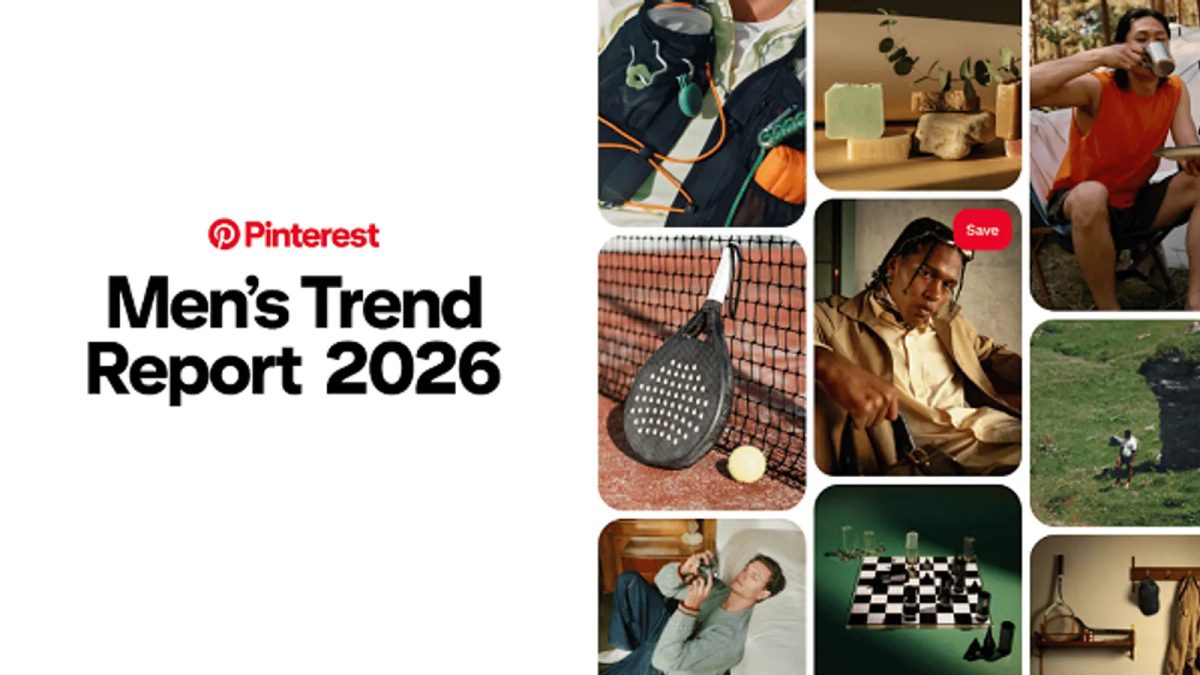

Pinterest has spent the better part of a decade being politely stereotyped as a digital mood board for wedding planners and cupcake enthusiasts. That perception is now colliding with reality. The platform’s latest trend report on male user behavior reveals a quiet but unmistakable shift in how men use visual discovery, and the numbers suggest this isn’t a blip. It’s a recalibration.
From Wedding Mood Boards to Workshop Blueprints
Hobby and recreational Pins are steadily climbing, and the categories gaining the most ground tell a coherent story: grooming routines, outdoor pursuits, and communal gaming setups. These aren’t random spikes. They mirror broader cultural patterns where men increasingly treat self-care and leisure as legitimate investments of time and money, not as indulgences to hide. Pinterest, with its inherently visual and aspirational format, happens to sit right at the intersection of intention and execution.
Consider the grooming angle. A guy searching for beard maintenance tips isn’t just looking for a YouTube tutorial; he wants an image of the finished result. He wants to see the before and after side by side, pinned next to a list of products and a step-by-step routine. Pinterest delivers that in a way text-heavy forums simply can’t. The visual scaffolding turns passive interest into a practical checklist, which is a subtle but powerful nudge toward action.
Why Outdoor and Recreational Pins Are Sticking
The outdoor category follows a similar logic. Camping setups, fishing rigs, hiking routes, and backyard woodworking projects all benefit from being seen rather than just described. A photo of a meticulously organized truck bed camp build communicates more in three seconds than a thousand words of gear reviews ever could. Men are using the platform as a planning tool, pinning ideas for weekend trips or long-term projects and then returning to those boards when it’s time to act. That repeated engagement loop is gold for advertisers and creators alike.
Communal gaming ideas add another layer. Think about the rise of basement game rooms, tabletop setups, and multiplayer streaming corners. These aren’t solitary hobbies; they’re social infrastructure. The Pins men save in this space often double as shopping lists and social invitations, which means the intent behind each save is unusually high. Pinterest isn’t just inspiring here. It’s facilitating.
The Data Behind the Shift
Pinterest hasn’t historically broken out male user metrics with much fanfare, which makes this trend report notable for what it implies. The platform is signaling that its audience is diversifying faster than its public image suggests. For tech and marketing teams, that’s a cue to stop treating Pinterest as a niche vertical and start treating it as a general-purpose discovery engine with distinct male segments that behave differently from the stereotypical user base.
What’s driving this? Part of it is the broader normalization of men engaging with aesthetics and self-improvement content. Part of it is search behavior itself: people increasingly want visual answers to practical questions. And part of it is generational. Younger men who grew up curating their identities online don’t see Pinterest as gendered. They see it as a tool, plain and simple.
What This Means for Creators and Brands
If you’re building content for male audiences, the old playbook of dark colors, aggressive typography, and gear-heavy jargon is looking tired. The Pins gaining traction emphasize clarity, utility, and honest presentation. A well-shot photo of a tidy workspace or a realistic grooming routine outperforms glossy, over-produced imagery because it feels achievable. That’s a meaningful signal for anyone designing creative for this audience.
Brands that treat Pinterest as a top-of-funnel awareness channel and nothing more are leaving money on the table. The intent signals here are strong, often stronger than on platforms where users scroll passively. A saved Pin is a stated intention, a tiny commitment that says, I might actually do this. That’s a different psychological posture than a fleeting like or a doom-scroll impression.
A Platform in Transition
There’s a temptation to frame this as Pinterest finally getting its male audience. That framing is a bit lazy. The audience was likely always there, just underserved and underestimated. What’s changing now is visibility. Men are pinning more openly, and the platform is surfacing those patterns in its trend data, which in turn encourages more of the same behavior. It’s a feedback loop, and it’s accelerating.
For developers and product teams, the takeaway is less about Pinterest specifically and more about how discovery platforms evolve. When a service becomes associated with one demographic, its tooling and recommendations often calcify around that group. Breaking out of that requires deliberate attention to adjacent use cases, and Pinterest’s male trend data is a case study in what happens when those adjacent behaviors finally get measured.
Expect the next wave of Pins to lean harder into practical, project-based content. Grooming routines will get more granular, outdoor builds more technical, and gaming setups more integrated with smart home ecosystems. The men showing up on Pinterest aren’t browsing idly. They’re planning, and the platforms that help them execute will earn their loyalty.