
When Celebrity and Statecraft Collide
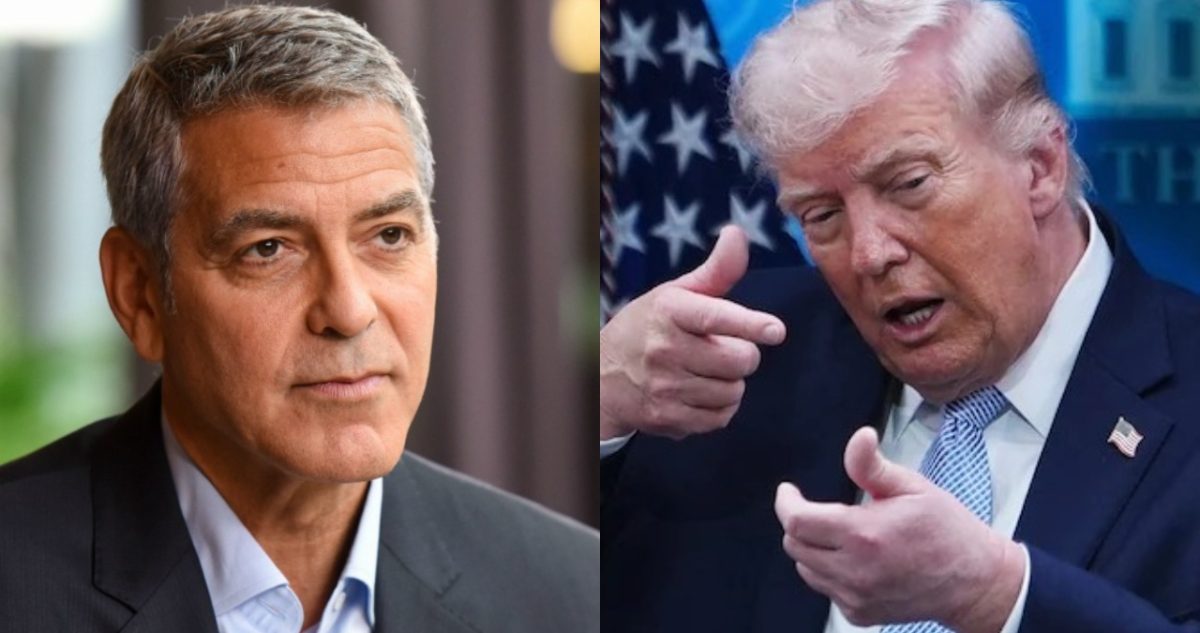
The digital age has blurred the lines between entertainment, politics, and global discourse in ways we are still struggling to comprehend. A recent, sharp exchange between actor George Clooney and former President Donald Trump’s administration serves as a fascinating case study. While the original barb centered on an ‘acting jab,’ Clooney’s retort that ‘this isn’t time for infantile name-calling’ landed with a weight far beyond Hollywood gossip. It echoed in the context of a fragile, two-week ceasefire agreement between the US and Iran, a moment demanding the utmost diplomatic precision. This incident isn’t just celebrity news; it’s a real-time lesson in communication protocols, audience perception, and the high-stakes game of reputation management, concepts any tech leader should understand intimately.
The High Cost of Low-Resolution Communication
In software development, we talk about signal-to-noise ratio. The core signal here was a delicate geopolitical maneuver: a temporary halt in hostilities. The noise was a distracting, personal critique from a position of power. Clooney’s response functioned as a noise-reduction algorithm, attempting to refocus the conversation on substance. For tech professionals, the parallel is clear. How often does a snarky tweet from a founder or a dismissive blog post from an executive drown out the launch of a critical security patch or a new privacy framework? The infrastructure of public perception is as complex as any cloud architecture, and a single errant packet of inflammatory rhetoric can cause cascading failures in trust.
Context is King: The Geopolitical Backend
To fully grasp the stakes, we must examine the backend data: the US-Iran ceasefire itself. Such agreements are not simple REST API calls; they are painstakingly negotiated state machines, fragile and full of conditional logic. Every public statement from involved parties is a ping, a status check that can either keep the connection alive or trigger a timeout. In this environment, language must be compiled with extreme care. Ambiguity can be exploited, and metaphors can be weaponized. Clooney, leveraging his platform, argued for a shift from a legacy system of personal insults to a more robust, fact-based protocol. His intervention highlights how non-state actors now have the capacity to influence diplomatic narratives, much like open-source contributors can shape enterprise software standards.
Audience Segmentation and Platform Diplomacy
Whom was Clooney really talking to? His statement was a masterclass in multi-audience addressing. The primary recipient was obvious, but the secondary audience was the global public and diplomatic corps watching the ceasefire. The tertiary audience was history itself. In tech, we build features for specific user personas, but public communications often broadcast to wildly different segments simultaneously: investors, employees, regulators, and end-users. A message crafted for one group can be disastrously misinterpreted by another. The Clooney-Trump dynamic shows the peril of using a one-size-fits-all, aggressive tone in a multi-stakeholder environment. Sometimes, the most powerful code is the comment that explains why a certain inflammatory approach is, to use the technical term, a bad idea.
Building a More Resilient Communications Stack
So, what can tech leaders and communicators learn from this theatrical yet pointed exchange? First, consider the timing of your outputs. Deploying a volatile statement during a sensitive ‘deployment window’ (like a ceasefire or a major outage) is asking for trouble. Second, privilege clarity and substance over cleverness. Sarcasm and ad hominem attacks rarely scale well and almost never age gracefully in the public git history. Finally, understand that in an interconnected world, your communication style is part of your API. Is it documented, consistent, and reliable, or is it prone to throwing unexpected exceptions under load? The goal is to build a comms stack that is as resilient and well-architected as your best software.
The Future of Influence and Protocol
Looking ahead, the intersection of celebrity, political power, and digital media will only grow more complex. We are moving toward an era where influence algorithms and diplomatic protocols will constantly interact, sometimes clash. The individuals and organizations that thrive will be those who recognize that all public communication is now a form of code. It can be elegant, efficient, and secure, or it can be buggy, bloated, and full of vulnerabilities. The next time a crisis emerges, whether in geopolitics or in the tech sector, the winning move may not be the wittiest insult, but the clearest, most context-aware signal that cuts through the noise and keeps the system from crashing. That is the ultimate refactor.