
Instagram just quietly rolled out a feature that could reshape how creators and brands collaborate on the platform. Now, when someone tags you in a post, you can choose to display that post directly on your profile grid. It sounds simple, but this small tweak carries big implications for social media strategy, portfolio building, and the messy world of credit sharing.
Why Tagged Posts on Your Grid Matter More Than You Think
Until now, your Instagram grid was a solo act. Every square was something you posted yourself, a curated timeline of your own content. Tagged photos lived in a separate tab, buried beneath your main feed and easy to forget. That separation created a strange hierarchy: your posts were the headline act, while tagged content was the opening band nobody stuck around to see.
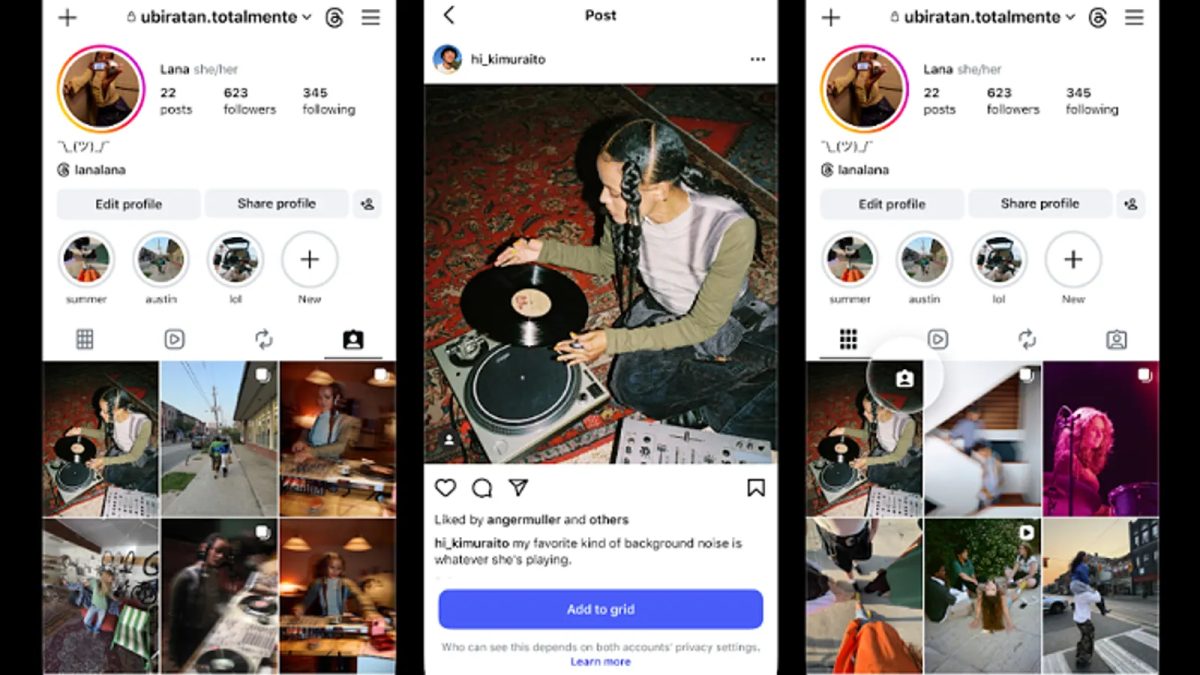
By letting users add tagged posts to their grid, Instagram is collapsing that hierarchy. If a brand tags you in a campaign photo, you can now make it a permanent part of your visual identity. If a friend captures a great shot of you at a conference, it can sit alongside your own uploads. The grid becomes a collaborative collage rather than a solo gallery.
The Collaboration Angle: Credit Where It Is Finally Visible
Instagram has been flirting with co-authoring for a while. The platform introduced Collabs in 2021, allowing two accounts to share a single post that appears on both grids. But that required both parties to agree before publishing, a clunky dance of DMs and approval screenshots. The new tagged post feature is different. It is retroactive, asynchronous, and much more flexible.
Think of it like this: Collabs are a marriage, requiring a joint announcement. Tagged posts on your grid are more like a friend crashing on your couch. They show up, they add flavor, and you can kick them out whenever you want. For influencers who appear in brand content but do not own the post, this is a quiet revolution. They can finally showcase paid partnerships without relying on screenshots or Stories that vanish in 24 hours.
How It Works and What It Changes for Creators
The mechanics are straightforward. When someone tags you in a post, you will receive a notification. From there, you can tap into the post and select an option to add it to your profile grid. The post will then appear in your main feed, interleaved with your own uploads based on its original timestamp. It will also retain the original author’s handle and caption, so attribution stays intact.
That timestamp detail matters more than it seems. You cannot rearrange tagged posts to appear at the top of your grid, which means you cannot use this feature to fake a recent collaboration. The grid remains chronological, a stubborn little historian that refuses to be rewritten. For brands, this means their tagged posts will slot into a creator’s feed exactly when they were published, preserving the timeline of a campaign.
Portfolio Building for Freelancers and Artists
Consider a freelance photographer who shoots for a clothing brand. The brand posts the photos and tags the photographer. Previously, that photographer could only repost to Stories or create a separate highlight reel. Now, those professional shots can live permanently on their grid, turning their profile into a living portfolio. It is like having a client testimonial section, except visual and built into the fabric of their feed.
Musicians, too, benefit. A record label tags an artist in a promotional post. The artist adds it to their grid, creating a seamless blend of personal content and professional milestones. No more awkward “link in bio” workarounds or pleading with followers to check the tagged tab. The proof of work is right there, in the same place where fans already scroll.
The Fine Print: Control, Clutter, and Curation
Of course, not every tag deserves a spot on your grid. Instagram understands this, which is why the feature is opt-in per post. You can add a tagged post, and presumably remove it later if you change your mind. That level of control is crucial. Without it, your profile could become a billboard for every spammy brand that tags you in a cheap giveaway.
There is also the question of aesthetic coherence. Many creators treat their grid like a magazine layout, carefully choosing color palettes and themes. Adding a tagged post from someone else could clash with that vision. But that tension is not necessarily bad. It forces creators to think about curation in a new way, blending their own voice with external collaborations. The grid becomes less of a monologue and more of a conversation.
What This Means for Social Media Managers and Developers
For social media managers, the feature adds a new layer to reporting. Tagged posts on a client’s grid are now part of their public-facing profile, not just a mention buried in analytics. That means tracking engagement on those posts becomes more important. It also means coordinating with partners about when and how tags go live, since the post will appear on both grids simultaneously.
Developers building on the Instagram API should pay attention too. The API has long treated tagged media as a separate endpoint. If Instagram extends this grid feature to its API, third-party scheduling tools and analytics platforms will need to adapt. Imagine a tool that automatically adds approved tagged posts to a creator’s grid based on campaign rules. That is not science fiction; it is the logical next step.
The Bigger Picture: Instagram Moves Toward Shared Ownership
Social media has always struggled with attribution. You post a photo, someone screenshots it, and your credit disappears into the ether. Instagram’s new feature is a small but meaningful attempt to keep credit visible and permanent. It acknowledges that content is often a team effort, even if only one person hits the publish button.
Competitors like TikTok and YouTube have their own collaboration tools, but none quite match this grid-level integration. TikTok’s duets and stitches are creative remixes, not portfolio pieces. YouTube’s collab features are buried in descriptions and end screens. Instagram is betting that creators want their collaborations to be as prominent as their solo work. That bet could pay off handsomely, especially as more influencers operate like small businesses with multiple revenue streams.
Looking ahead, expect Instagram to refine this feature with analytics, maybe even letting users pin tagged posts to the top of their grid. The line between your content and someone else’s will keep blurring, and that is probably a good thing. After all, no creator builds an audience alone. The grid is no longer a solo stage; it is a shared one, and the spotlight just got a little wider.