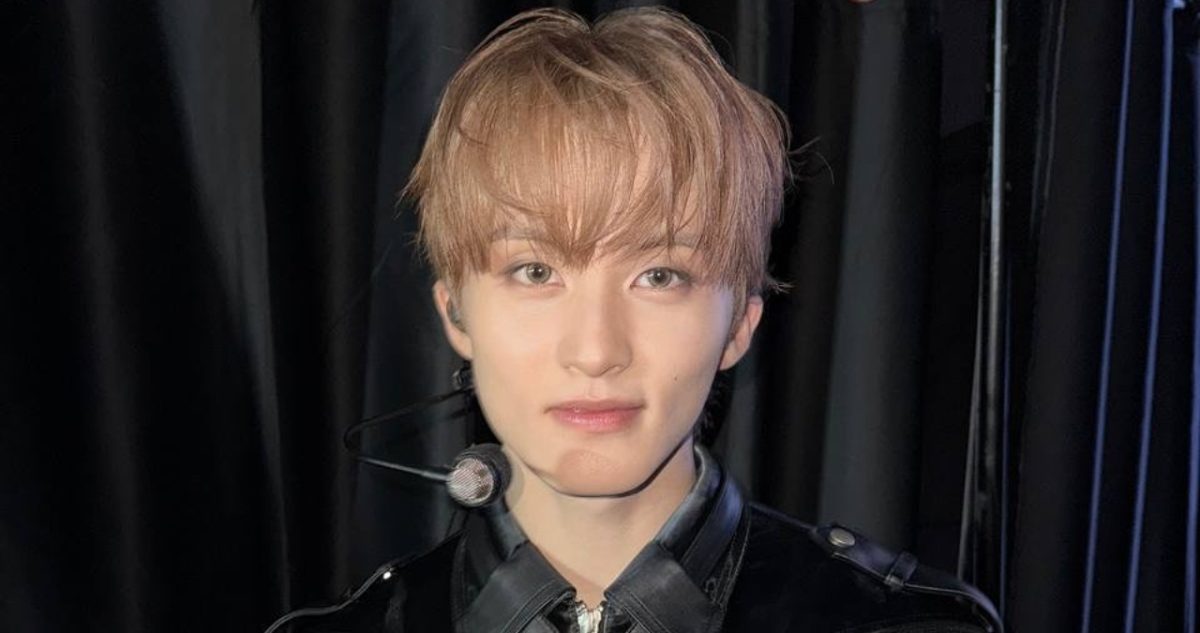

A Decade in the Spotlight Ends
The K-pop landscape is shifting, and one of its most recognizable figures is stepping into uncharted territory. After ten foundational years with the global supergroup NCT, Mark Lee has officially announced his departure. The artist, known for his lightning-fast rap delivery and multilingual fluency, shared an emotional handwritten letter with fans, expressing profound gratitude for their unwavering support. This move isn’t just a personnel change; it’s a strategic pivot that reflects the evolving nature of artist identity in a digitally-driven industry.
More Than Just a Goodbye Note
Mark’s letter was less a farewell and more a heartfelt acknowledgment of a shared journey. He didn’t frame his exit as an ending, but rather as a necessary transition for personal and artistic growth. For a performer who debuted as a teenager and grew up within the meticulously engineered NCT universe, this decision carries significant weight. It’s the tech equivalent of a lead developer leaving a groundbreaking, long-term open-source project to start their own venture. The foundational code is there, but the vision for the final product is changing.
The Engine of a K-pop System
To understand the impact, you need to grasp Mark’s unique role. Within NCT’s complex, multi-unit “Neo Culture Technology” concept, he wasn’t just a member; he was a core system component. He appeared in more subunit configurations than any other member, from the Seoul-based NCT 127 to the global NCT U and the now-disbanded NCT Dream. His versatility and work ethic made him a human API, seamlessly integrating into different musical and promotional environments. His departure forces a recalibration of the entire group’s operational dynamics.
What Drives a Star to Go Solo?
So, what’s next for a talent of this caliber? The path of a departing idol in 2024 looks drastically different than it did a decade ago. The traditional model of signing with a new major label and slowly rebuilding is almost obsolete. Today’s tools empower artists to become their own studios. We’re likely to see Mark leverage a direct-to-fan digital ecosystem, controlling his narrative through platforms like Weverse or YouTube, and perhaps even exploring Web3 integrations for fan engagement.
Building a Personal Brand Stack
His immediate future probably involves what we could call “brand stack” development. This means independently layering his creative outputs: solo music production, potential acting roles, curated social media content, and strategic collaborations. Think of it as bootstrapping a startup, with his existing fanbase as the initial seed round. He has the technical skills (songwriting, producing) and the market validation (millions of fans). Now, he needs to architect his own infrastructure.
The Technical Debt of Idol Life
There’s also the question of creative “technical debt.” After years of adhering to a group’s cohesive concept and company-driven musical direction, an artist accumulates unmet ideas and unexplored genres. Mark’s next moves will involve paying down that debt. Will he dive deeper into the hip-hop and R&B roots he often showcased in his rap verses? Or might he experiment with entirely new sonic palettes, using the creative freedom he now possesses? The first solo release will be a major commit to his new repository.
A New Model for Artist Independence
This transition is being watched closely, not just by fans but by industry analysts. Mark’s journey could blueprint a new model for top-tier idols transitioning to sustainable independence. Can an artist maintain global relevance and commercial success outside the immense machinery of a label like SM Entertainment? His success or struggle will provide critical data points on the viability of the “solo venture” in the modern music economy.
Looking Beyond the Stage Lights
Ultimately, Mark Lee’s story is evolving from a chapter in a corporate-owned saga to a founder’s tale. The emotional note to his fans was the closing of one loop and the initialization of another. His next steps won’t just be about music; they’ll be about building a resilient, adaptable personal brand in an attention-based economy. For a generation that values authenticity and direct access, his solo journey may prove to be his most compelling performance yet. The industry is compiling, and everyone is waiting to see what he builds.