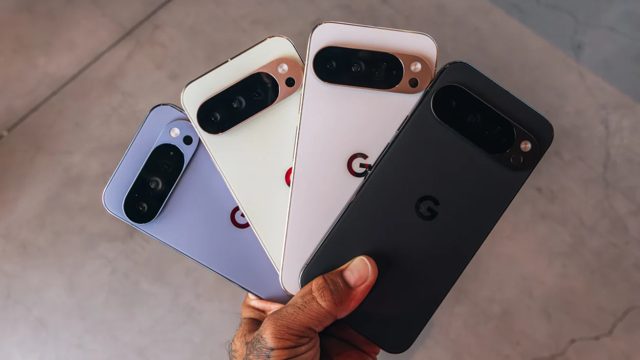

A New Frontier for Mobile Gaming
Imagine being deep in a subway tunnel, miles from a reliable cell signal, and diving into the punishingly beautiful world of Hades without a hitch. That scenario is no longer a fantasy for Pixel 10 owners. Google’s latest flagship is breaking new ground, moving beyond cloud streaming to champion a truly offline, native gaming experience through a significant update to its GameNative platform, version 0.9.0.
This development signals a strategic pivot. While the industry chases the latency-sensitive dream of cloud gaming, Google is quietly reinforcing the foundations of on-device play. It’s a recognition that sometimes, the most reliable connection is the one between your thumb and the screen.
What GameNative 0.9.0 Actually Delivers
At its core, GameNative is Google’s toolkit for developers, designed to optimize high-fidelity games for the Tensor G chipset’s unique architecture. Version 0.9.0 isn’t just another incremental patch; it’s the release that unlocks a curated library of premium, previously desktop-centric titles for full offline installation and play. The headline acts are telling: the endless, cozy grind of Stardew Valley and the frenetic, rogue-like action of Hades.
These aren’t simplistic mobile ports. We’re talking about the complete, unadulterated experiences. This is achieved through deeper hardware-software symbiosis. The update allows developers to better leverage the Pixel 10’s dedicated AI processing cores for real-time physics calculations and its advanced thermal management to sustain peak GPU performance longer. Your phone isn’t just running these games; it’s understanding them.
Why This Matters Beyond Convenience
On the surface, this is about playing great games anywhere. Dig deeper, and it reveals a broader philosophy for the Pixel line. Google is building a hardware ecosystem defined by self-sufficiency and peak performance, independent of external servers. In an era where app subscriptions and always-online DRM are commonplace, offering a library of owned, offline-capable premium games is a compelling value proposition.
Think of it as the digital equivalent of a well-stocked bookshelf versus a streaming service that can lose licenses. For the tech-savvy user, it’s also a demonstration of raw silicon prowess. Running Hades smoothly offline is a more demanding technical feat than decoding a video stream; it’s a silent benchmark that speaks volumes about the Tensor chip’s capabilities.
The Developer Angle and Market Implications
For game studios, GameNative 0.9.0 lowers the barrier to entry for the premium mobile market. Instead of building a separate, simplified mobile version, developers can now adapt their existing PC or console titles for a high-performance Android device with a known, stable hardware profile. This could attract a new wave of sophisticated indie and AA titles to the platform, enriching the ecosystem for everyone.
Will this trigger an arms race with Apple’s iPhone? Quite possibly. Apple has long touted its gaming capabilities through its A-series and M-series chips. Google’s move, however, is more software-led and developer-focused, providing specific tools rather than just raw power. It’s a nuanced but important distinction that could shape developer loyalty and the kinds of games that migrate to mobile first.
Real-World Use and User Experience
So, what’s it actually like? The beauty lies in the seamlessness. You purchase and download the game directly via the Play Store, just like any other app. Once installed, no login, no launcher, no background ping to a validation server is required. The game icon sits on your home screen, a permanent portal to your escape. This approach also sidesteps two major mobile gaming pain points: predatory microtransaction models and intermittent ad breaks.
The selection of Stardew Valley and Hades as launch titles is a masterstroke in market positioning. It appeals simultaneously to the chill, creative player and the hardcore, challenge-seeking gamer. It sends a message: this platform is versatile and serious about quality. The question now is, which beloved title will join them next? A portable *Hollow Knight* or *Celeste* seems perfectly within reach.
Looking at the Road Ahead
The success of this initiative hinges on Google’s commitment to expanding the GameNative library. A handful of excellent games is a promising start, but a thriving platform needs a steady stream. The onus is on Google to continue incentivizing developers with clear tools and a visible, engaged audience of Pixel owners willing to pay for premium software. This could become a key differentiator in an otherwise saturated smartphone market.
Ultimately, GameNative 0.9.0 on the Pixel 10 feels like a quiet declaration of independence. It’s a bet on the device in your hand, its untapped potential, and the simple joy of owning your entertainment outright. In fragmenting our attention between streaming services, this push for dedicated, offline play is not just a technical feature; it’s a refreshing philosophical stance. The future of mobile gaming might just be remembering the power we already hold in our pockets.