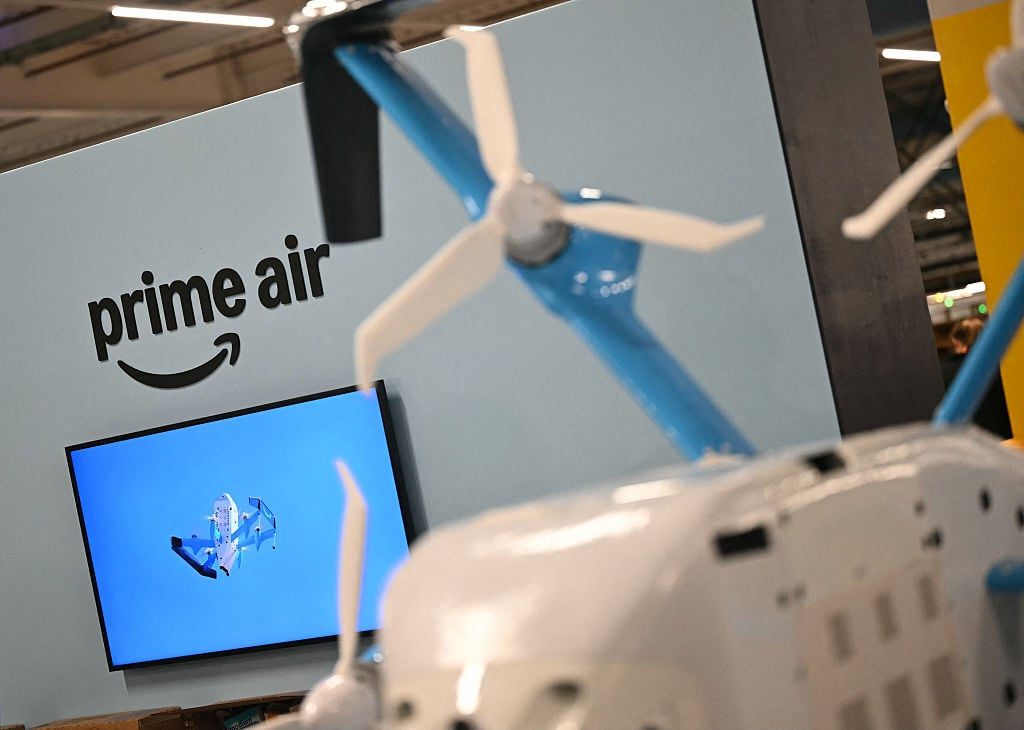

Amazon’s futuristic vision of packages descending from the sky has collided with an ancient, immutable force: irritated neighbors.
In Richardson, Texas, a quiet suburb north of Dallas, residents say the relentless hum of Prime Air delivery drones has turned their once peaceful neighborhoods into something resembling a beehive with a logistics problem. And they are not happy about it.
When Innovation Meets the Backyard Barbecue
Picture this: you are trying to enjoy a Saturday afternoon burger in your backyard. Suddenly, a metallic whir builds overhead. Then another. And another. By the end of the day, dozens of drones have crisscrossed your roofline, each one on a mission to drop off everything from toothpaste to phone chargers.
That is the reality for folks living in certain pockets of Richardson, where Amazon selected the area as one of its early testing grounds for drone-based package delivery. The New York Times reported that some residents have grown so frustrated they are speaking out publicly, and honestly, who can blame them?
The Noise Problem Nobody Wanted to Talk About
Drone noise is not like the rumble of a truck or the distant roar of a jet. It is sharper, more persistent, and somehow more personal. Imagine a giant mosquito that never gets swatted, circling your house with the determination of a delivery driver who absolutely must hand you that package.
Amazon has long championed Prime Air as a leap forward in logistics efficiency, promising deliveries in 30 minutes or less. The company argues that drones reduce road congestion and carbon emissions compared to traditional delivery vans. All of that sounds great on a PowerPoint slide.
But innovation has a way of revealing its rough edges only after it lands in someone’s front yard. Or, in this case, hovers 200 feet above it.
Richardson Residents Push Back
The residents of this Dallas suburb did not sign up to be guinea pigs for airborne logistics. Sure, Amazon might have secured the necessary permits and FAA approvals, but paperwork does not silence a drone at 7 a.m. on a Sunday.
Some homeowners have reportedly complained about disrupted sleep, interrupted outdoor gatherings, and a general sense of unease. Others worry about privacy implications, wondering if the drones’ cameras are capturing more than just delivery routes. Amazon insists its drones are designed with privacy in mind and that they only collect data necessary for navigation.
Still, trust is a fragile thing, especially when your ceiling fan is trembling from the downdraft of a quadcopter carrying a box of paper towels.
The Broader Challenge for Drone Delivery
Amazon is not the only player in this space. Google’s Wing, UPS Flight Forward, and a host of startups are all racing to make drone delivery a mainstream reality. Each faces the same fundamental hurdle: people actually live where you want to deliver things.
Urban areas are too dense and packed with obstacles for current drone technology. Rural areas are easier to navigate but offer thinner profit margins. Suburbs like Richardson sit right in the middle: close enough to distribution centers to make drone delivery viable, but populated enough to generate complaints.
This tension is not new. When Uber and Lyft first arrived, cities grappled with traffic, safety, and noise concerns. When 5G towers started going up, conspiracy theories and genuine worries about health effects followed. Every disruptive technology goes through a period of adjustment, and drone delivery is no exception.
Can Amazon Quiet the Skeptics?
Amazon says it is listening. The company has pledged to work with communities, adjust flight paths, and develop quieter drone models. Whether those promises translate into real change remains to be seen.
There is also the question of scale. Right now, Prime Air is operating in a handful of test markets. If the service expands to hundreds of cities, the noise footprint could become a national conversation rather than a local complaint. Regulators will have to decide how much airborne disruption is acceptable in the name of convenience.
For developers and tech enthusiasts, this is a fascinating case study in how hardware meets humanity. You can build the most advanced autonomous drone on the planet, but if it annoys the people living underneath it, you have a problem that no amount of engineering can fully solve.
What Comes Next for Prime Air and Its Critics
Richardson residents may eventually get used to the hum, or they may fight to push Amazon out. Either way, their experience will shape how drone delivery rolls out elsewhere. Cities and towns watching from the sidelines will learn from Richardson’s pain points.
The dream of instant aerial delivery is not dead, but it is facing a classic obstacle: people. They want their packages fast, but they also want their peace and quiet. Reconciling those two desires will require more than faster rotors and smarter algorithms; it will require genuine dialogue and compromise.
As drone technology matures, expect to see quieter propulsion systems, better flight scheduling, and perhaps even designated aerial corridors that keep drones away from residential streets. The sky is not the limit; it is the new frontier of local politics.
For now, the folks in Richardson are left staring upward, wondering if their quiet suburb will ever sound the same again.