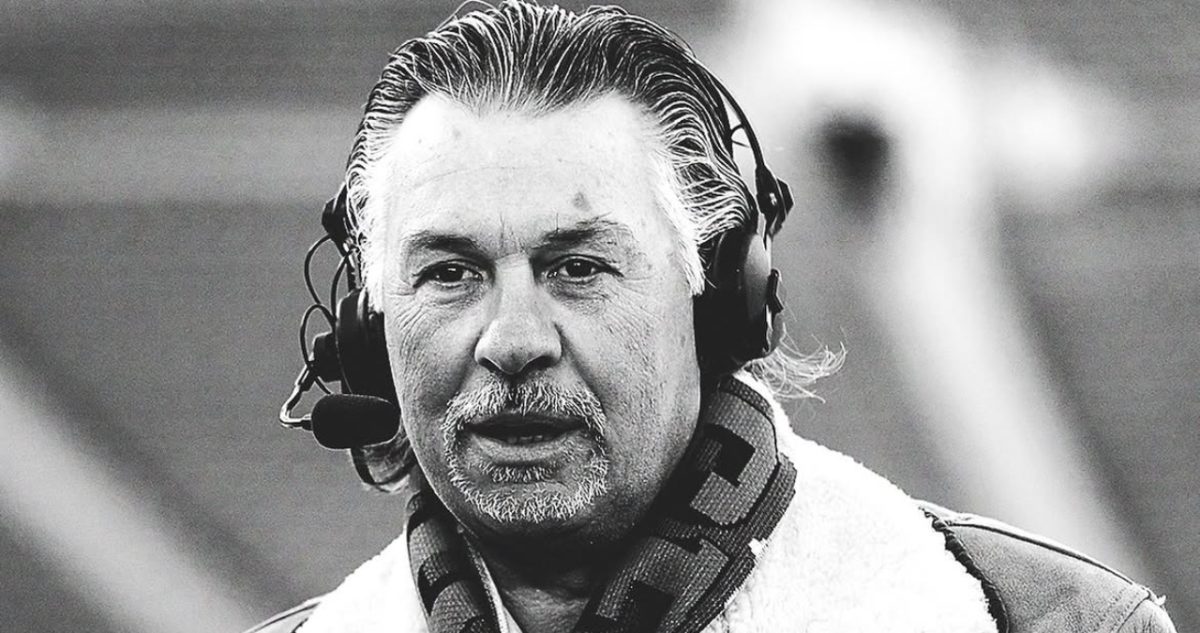

A Sudden Loss in the Hockey World
Barry Melrose, the former NHL player, coach, and longtime ESPN analyst, has died at age 70. ESPN announced his death after his wife, Cindy, informed the network. The news sent shockwaves through the hockey community and beyond.
Melrose was a familiar face to millions of sports fans, known for his upbeat personality and sharp analysis. His death marks the end of an era for hockey broadcasting.
From the Ice to the Coach’s Bench
Before becoming a household name on television, Melrose carved out a respectable playing career in the NHL. He suited up for the Winnipeg Jets, Toronto Maple Leafs, and Detroit Red Wings, among others. A tough defenseman, he racked up penalty minutes and earned a reputation as a no-nonsense player.
After hanging up his skates, Melrose transitioned behind the bench. He coached the Los Angeles Kings from 1992 to 1995, leading them to the Stanley Cup Final in 1993. That run, powered by Wayne Gretzky, remains one of the most memorable playoff surges in NHL history. Though they fell short against the Montreal Canadiens, Melrose’s coaching prowess was undeniable.
He later coached the Tampa Bay Lightning, but it was his time with the Kings that cemented his legacy as a coach. His fiery demeanor and strategic mind made him a respected figure in the locker room.
The ESPN Era: A Voice for Hockey
Melrose joined ESPN in 1996 and became a staple of the network’s hockey coverage. For over two decades, he provided color commentary, analysis, and unforgettable catchphrases. His enthusiasm for the game was infectious, and he helped grow the sport’s popularity in the United States.
Even after a brief return to coaching with the Lightning in 2008, Melrose came back to ESPN, where he continued to entertain and inform. His segments on SportsCenter were must-watch TV for hockey fans. He had a knack for breaking down complex plays in a way that casual viewers could understand.
His signature phrase, “Look out!” became synonymous with big hits and scoring chances. It was a small part of why fans adored him.
Remembering a Hockey Icon
Tributes poured in from across the sports world. Former players, colleagues, and fans shared memories of Melrose’s kindness and passion. ESPN released a statement praising his contributions to the network and the sport.
“Barry was a beloved member of our ESPN family,” the network said. “His knowledge and love of hockey were unmatched. He will be deeply missed.”
Melrose is survived by his wife, Cindy, and their children. The cause of death has not been disclosed, but the loss is felt deeply by all who knew him.
What His Legacy Means for Hockey’s Future
Melrose’s impact extends beyond his playing and coaching days. He was a bridge between the old-school NHL and the modern era, using his platform to educate and entertain. In a sense, he was a prototype for the analyst who is both expert and fan.
As hockey continues to evolve, the role of broadcasters like Melrose becomes even more crucial. They connect the sport to new audiences, explaining the nuances without dumbing it down. Melrose did that with charisma and authenticity.
His death is a reminder that the voices we hear on game nights are not just commentators. They are ambassadors, teachers, and sometimes, friends. Barry Melrose was all of those things and more.
A Final Thought on a Life Well Lived
In the end, Barry Melrose leaves behind a rich legacy that spans decades. From the rinks of the NHL to the studios of ESPN, he left an indelible mark. His story is one of passion, resilience, and a deep love for the game of hockey.
For tech and developer readers, his career offers a lesson in adaptation. Just as Melrose transitioned from player to coach to analyst, professionals in any field must reinvent themselves. The tools change, the platforms shift, but the core skills, communication, analysis, and empathy, remain constant.
As we remember Barry Melrose, we might ask: how will we use our own platforms to inspire others? The answer, perhaps, lies in his example. Be knowledgeable, be enthusiastic, and never be afraid to say, “Look out!”