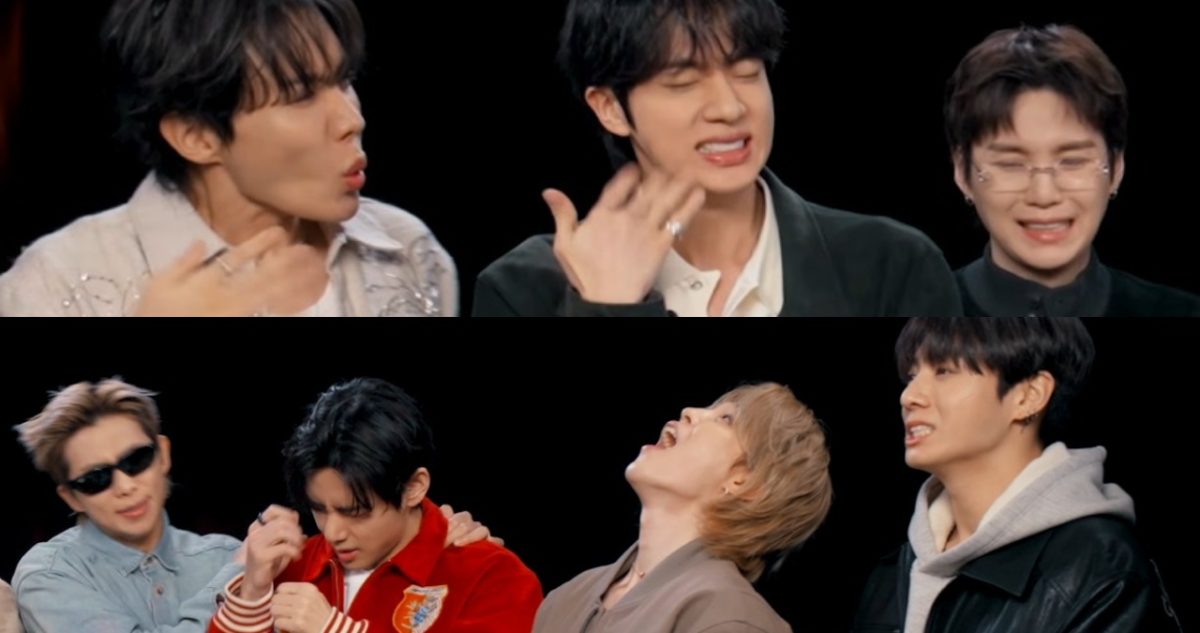

The internet collectively held its breath, and then promptly burst into laughter. When global superstars BTS agreed to appear on the digital interview series Hot Ones, it wasn’t just a promotional stop. It was a high stakes experiment in authenticity, a collision of pristine pop idolatry with the show’s famously brutal premise: answer questions while eating progressively hotter chicken wings. The resulting video was less a traditional interview and more a beautifully chaotic symphony of sweat, tears, and unexpected revelations.
The Unlikely Arena for Authenticity
For the uninitiated, Hot Ones by First We Feast has carved a unique niche in the media landscape. Its format is deceptively simple, yet psychologically brilliant. Guests, ranging from Oscar winners to tech CEOs, are subjected to a lineup of sauces that escalate from tangy to thermonuclear. The physiological distress becomes a great equalizer, stripping away polished personas and often leading to unfiltered, genuine conversation. For BTS, a group whose public image is meticulously managed, this presented a fascinating risk. Could they maintain their composure, or would the ‘wings of death’ break the facade?
The answer, as millions of viewers discovered, was a resounding and hilarious mix of both. We witnessed the meticulous Jungkook meticulously researching the show’s sauces beforehand, a move akin to a developer studying an API documentation before a major integration. RM, the group’s leader and fluent English speaker, valiantly attempted to act as interpreter while his own taste buds were under siege, a task comparable to debugging live code during a server meltdown.
Beyond the Spice: A Data-Driven Viral Event
From a content strategy perspective, the episode was a masterstroke. It functioned on multiple levels simultaneously. For the casual viewer, it was pure entertainment: watching beloved idols squirm, chug milk, and support each other through the culinary torture. For the dedicated ARMY, it offered rare, unscripted moments of the members interacting under duress, revealing their individual personalities in a new, relatable light. The SEO and social media impact was immediate and massive, generating a flood of clips, memes, and reaction videos that extended the content’s lifespan far beyond the initial upload.
This is where the tech blog lens becomes crucial. The success of this crossover isn’t just about celebrity. It’s a case study in platform synergy and audience expansion. Hot Ones, with its specific, meme-friendly format, accessed BTS’s colossal global fanbase. Conversely, BTS leveraged the show’s reputation for authentic, long-form content to reach audiences who might not typically engage with K-pop, presenting themselves in a context of challenge and humor rather than just musical performance.
Decoding the Reaction: Physiology Meets Fandom
The real-time reactions provided a goldmine of human data. Jimin’s swift descent into a flushed, speechless state mirrored a system hitting its thermal throttle. SUGA’s stoic, almost analytical approach to each wing, followed by sudden, profound realizations about his own spice tolerance, was a lesson in controlled failure states. The group’s dynamic shifted from a coordinated unit to a supportive, chaotic friend group, with members like V and j-hope providing comic relief and moral support in equal measure.
This breakdown of the professional persona is precisely what makes the format so valuable for public figures in the digital age. In an ecosystem saturated with highly filtered social media posts and scripted variety show appearances, raw, unedited struggle is a powerful currency. The show’s host, Sean Evans, acts as a steady, inquisitive constant, his questions cutting through the heat-induced panic to elicit surprisingly thoughtful answers about music, legacy, and creative process. It’s a reminder that sometimes, the best way to get to the core of a subject is to apply a little pressure, or in this case, a lot of capsaicin.
The Infrastructure of a Viral Moment
Behind the tears and laughter lies a robust content infrastructure. The production value of Hot Ones is high: crisp cinematography, meticulous audio that captures every gasp and crunch, and a well-researched line of questioning that continues regardless of the guest’s distress. This creates a reliable, branded container that can host anyone from a Hollywood actor to the world’s biggest boy band. For BTS’s team, participating was a calculated endorsement of this container’s credibility. They weren’t just doing an interview; they were contributing to a specific, trusted format, knowing the production house would deliver their clients in a compelling, shareable light.
Think of it like choosing a well-regarded, developer-friendly platform over building a custom solution from scratch. The platform (Hot Ones) provides the proven framework, tools, and audience. The guest (BTS) provides the unique content and star power. The result is a product that is greater than the sum of its parts, optimized for engagement and shareability by design.
As we look at the future of digital celebrity and content marketing, the BTS Hot Ones episode stands as a benchmark. It proves that the most effective brand moments often come from embracing controlled vulnerability and participating in established, authentic formats. The next wave of viral integrations won’t be about forced product placements on sterile sets, but about finding these unique, high-engagement arenas where brands and personalities can be tested, humanized, and ultimately, connected with on a deeper level. The real question for marketers and content creators now is: what’s your equivalent of the hot sauce?