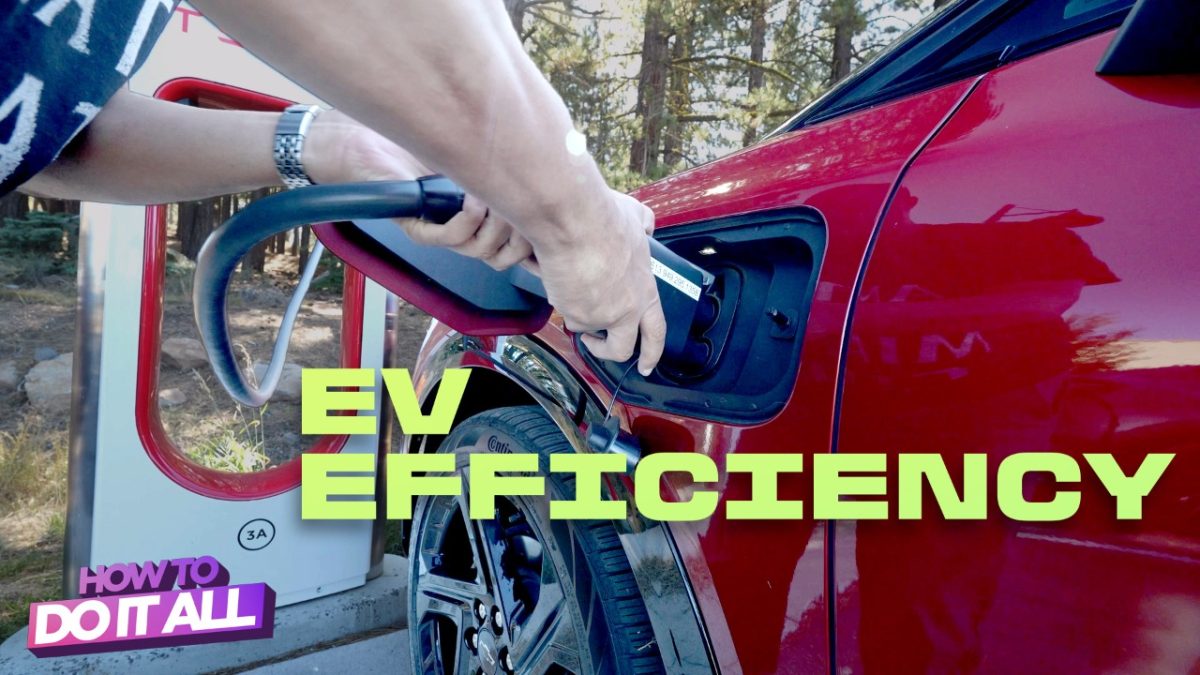

There is a specific moment of hesitation that hits every electric vehicle owner before a long journey. You map out a route that spans three hundred miles, glance at the estimated range display, and feel a sudden pang of doubt. It is not a mechanical failure or a lack of confidence in the technology; it is a psychological hurdle known as range anxiety. But here is the thing: driving an EV across the country is no longer an act of extreme endurance. It is simply a different kind of logistics puzzle, one that requires a bit of strategy and a willingness to rethink the traditional pit stop.
Why Range Anxiety Is Mostly a Math Problem
The fear of running out of juice is understandable if you treat your car like a smartphone that might die at any second. But unlike a phone, your car gives you incredibly accurate data about its energy consumption. The trick is to stop thinking in terms of “full tank” and start thinking in terms of “enough to reach the next charger.” If you can charge at home, you are already winning the daily commute game. For road trips, however, the game shifts to managing kilowatts and time.
Many new EV drivers make the mistake of charging to 100 percent at every stop. That is a waste of time. The charging curve on most lithium-ion batteries is non-linear; the last twenty percent takes as long as the first eighty. You want to live in the sweet spot, usually between ten and eighty percent state of charge. This not only saves you precious minutes at the plug but also preserves your battery’s long-term health.
Planning Your Route Around Electrons, Not Just Miles
Before you even pack your bags, you need to understand the terrain. Cold weather saps range. Highway speeds above seventy miles per hour create aerodynamic drag that eats into your efficiency. Even elevation changes matter; climbing a mountain pass will drain your battery faster than cruising on flat ground, though you will likely regain some of that energy on the descent thanks to regenerative braking. Your navigation app of choice should be something like A Better Route Planner or the built-in system in a Tesla, which accounts for all these variables.
These tools do not just show you where chargers are; they tell you how long to charge at each one to minimize total travel time. It is a subtle but profound shift in mindset. You are no longer looking for the cheapest gas station; you are looking for the fastest kilowatt. And sometimes, that means skipping a charger because you have enough range to reach a faster one further down the road.
The Art of the Charging Stop
Let us be honest: charging stops are not the same as gas stations. You cannot just pull in, fill up in five minutes, and leave. But that is actually a feature, not a bug. A twenty to thirty minute stop every two to three hours forces you to stretch your legs, grab a coffee, or answer that email you have been ignoring. It turns a grueling marathon drive into a series of manageable sprints.
The key is to combine your charging with your biological needs. If you need a bathroom break and a snack, that is the perfect time to plug in. If you are just sitting in the car watching the battery percentage tick up, you are doing it wrong. Find a charger near a coffee shop, a grocery store, or a park. The infrastructure is improving rapidly, and many new charging stations are located at places where you actually want to spend time.
What About the Infrastructure Hurdles?
Yes, the charging network is not perfect. You might pull into a station and find a broken connector or a line of cars waiting. This is where flexibility becomes your best friend. Always have a backup charger in mind, and do not let your state of charge drop below ten percent if you can help it. Think of it like planning a hike in the wilderness; you carry a map and a backup plan, not because you expect disaster, but because it makes the journey stress-free.
Another pro tip: check the reviews on PlugShare or your car’s navigation system before you commit to a stop. Other drivers will tell you if a station is sketchy, if the surrounding area is unsafe, or if the charger is notoriously slow. This crowd-sourced intelligence is invaluable and often more up-to-date than official maps.
Embrace the Slow Lane (Occasionally)
Driving an EV fast is fun, but driving an EV efficiently is a game. You will find yourself drafting behind trucks (at a safe distance), using cruise control religiously, and watching your miles per kilowatt hour climb. It becomes a challenge to see how far you can go on a single charge. This hypermiling behavior is not just about saving money; it is about reducing the number of stops you need to make.
If you are on a tight schedule, you might be tempted to drive faster and charge more often. But counterintuitively, driving a bit slower can sometimes get you to your destination sooner because you spend less time tethered to a plug. It is a weird optimization problem, but one that rewards patience and planning.
The Future Is Plugged In
The landscape of electric road tripping is changing by the month. With the adoption of the NACS standard and the opening of Tesla’s Supercharger network to other brands, the patchwork quilt of charging options is slowly becoming a unified grid. Soon, the idea of mapping out every single electron will feel as archaic as using a paper road atlas. But for now, a little preparation goes a long way.
So, go ahead and plan that trip. The open road is waiting, and your electric car is more capable than you think. The only thing you really need to pack is a bit of patience and a sense of adventure.