If you find yourself humming a tune you can’t quite place, there’s a good chance it originated on TikTok. The platform’s sonic ecosystem has evolved into a primary source of earworms for millions, a phenomenon that savvy creators and brands are learning to harness with precision. These catchy tracks do more than just provide a backdrop; they embed themselves in memory, often carrying the visual content they accompany along for the ride. This powerful mnemonic device is just the beginning of why aligning with a trending sound is a non-negotiable tactic for anyone serious about visibility on the platform.
The Algorithm Loves a Familiar Tune
Let’s talk about the mechanics behind the music. TikTok’s algorithm operates on principles of familiarity and pattern recognition. When you engage with a video featuring a specific audio clip, the system takes note. It interprets your pause, your watch time, your potential like, as a signal. Was it the creator’s charm, the visual gag, or perhaps that infectious beat? The algorithm’s next move is often to serve you another video using the same sound, a test to isolate the variable of interest.
This creates a powerful window of opportunity. Being an early participant in a sound’s ascent essentially hitches your content to a rising algorithmic star. Your video becomes part of that test batch, gaining exposure to audiences who have already shown an affinity for that particular auditory cue. It’s a shortcut to the coveted For You Page that requires less guesswork and more cultural awareness. Who wouldn’t want a boost for their carefully crafted content?
Beyond Virality: The Cultural Currency of Sound
Trending audio does more than just please an algorithm; it communicates instantly with an audience. The right track can establish mood, evoke nostalgia, or signal a specific genre of humor before a single word is spoken. This is especially true for sounds that have developed a ‘format’, a commonly understood context for their use. Think of the dramatic piano piece scored over a mundane failure, or the hyper-pop track synced to a rapid-fire transformation.
These sounds transcend being mere music; they become shared cultural touchstones, a shorthand for collective experience online. Tapping into that isn’t just about views; it’s about relevance. It signals that you’re part of the conversation, not shouting from the sidelines. The challenge, then, is finding these pivotal sounds without drowning in the endless scroll.
Strategic Sound Discovery: A Creator’s Toolkit
Fortunately, you don’t need to spend your life swiping up to stay informed. Several strategic pathways exist. TikTok’s own Creative Center offers a direct line to top trending songs, filterable by region and time period. It’s the platform’s official trend dashboard, and ignoring it is like navigating without a map. Within the app itself, a simple search for ‘viral sound’ under the Sounds tab reveals the tracks currently seeing the highest usage volume.
Third-party tools like Tokchart provide a real-time look at the fastest-rising audio, perfect for spotting a trend before it peaks (note that full analytics often require a paid tier). Don’t sleep on Instagram Reels, either. The music trending on Reels frequently migrates to TikTok and vice versa; checking the ‘Trending’ tab in the Reels music library can offer a valuable cross-platform preview.
Perhaps the most crucial step is contextual research. Never add a sound blindly. Always tap on its name to see the example videos. How are other creators using it? Is it for comedy, aesthetic shots, or emotional storytelling? This reconnaissance allows you to either ride the trend effectively or, better yet, find a clever angle to remix it for your niche.
April 2026’s Audio Landscape: A Closer Listen
The sonic trends of April 2026 reveal a fascinating push and pull between nostalgia and minimalist modernity. A prime example is the resurgence of ‘Classical Gymnopedie Solo Piano’, a gentle, minimalist piece experiencing a massive revival. Its soft notes are being deployed in wildly contrasting contexts, from serene morning routines and poignant emotional moments to ironic, humorous challenges. The juxtaposition of its calm elegance with chaotic or silly visuals is the entire joke, demonstrating how a sound’s meaning can be fluid and user-defined.
The Business of Going Viral
For brands and professional creators, the ‘Approved for Business Use’ tag on sounds like the Gymnopedie track is a critical filter. This designation means the audio is cleared for commercial purposes, avoiding potential copyright strikes or muted content. It represents a maturation of the platform’s ecosystem, acknowledging the need for reliable, licensable assets for professional content strategy. Using these approved sounds isn’t just safe; it’s smart business, ensuring your creative effort isn’t undone by a rights issue.
Other sounds trending this period, from atmospheric lo-fi beats like ‘Snowfall (Slowed)’ to quirky, percussive tracks like ‘Monkeyshine NO PERC-JP’, indicate a continued appetite for mood-setting instrumentals and niche, editable audio. These tracks become raw material for creativity, their lack of lyrics making them versatile canvases for everything from tech tutorials to cinematic short films.
Integrating Trend into a Cohesive Strategy
Finding the sound is only half the battle. The integration must feel organic. The key is to ask how the trending audio can serve your core message or brand identity, not the other way around. Can that viral piano piece underscore a genuine moment of triumph in a developer’s coding journey? Could that upbeat, popular track highlight the seamless launch of a new app feature? Forced trends stick out, but authentic alignment resonates.
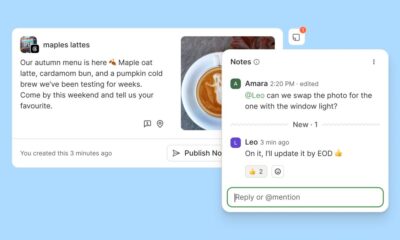
Tools like Buffer’s Create space exemplify the next step in workflow efficiency, allowing creators to save and organize inspiring sounds and trends directly into their content planning pipeline. This bridges the gap between discovery and execution, turning fleeting inspiration into scheduled, strategic content.
Looking ahead, the relationship between audio trends and content success will only deepen. As discovery tools become more sophisticated and the library of commercially safe sounds expands, the strategic use of music will shift from a growth hack to a fundamental content pillar. The winners will be those who listen not just to what’s popular, but to why it resonates, weaving that understanding into stories that are uniquely their own. The soundtrack of the internet is always playing; the question is whether you’ll just listen or decide to conduct.