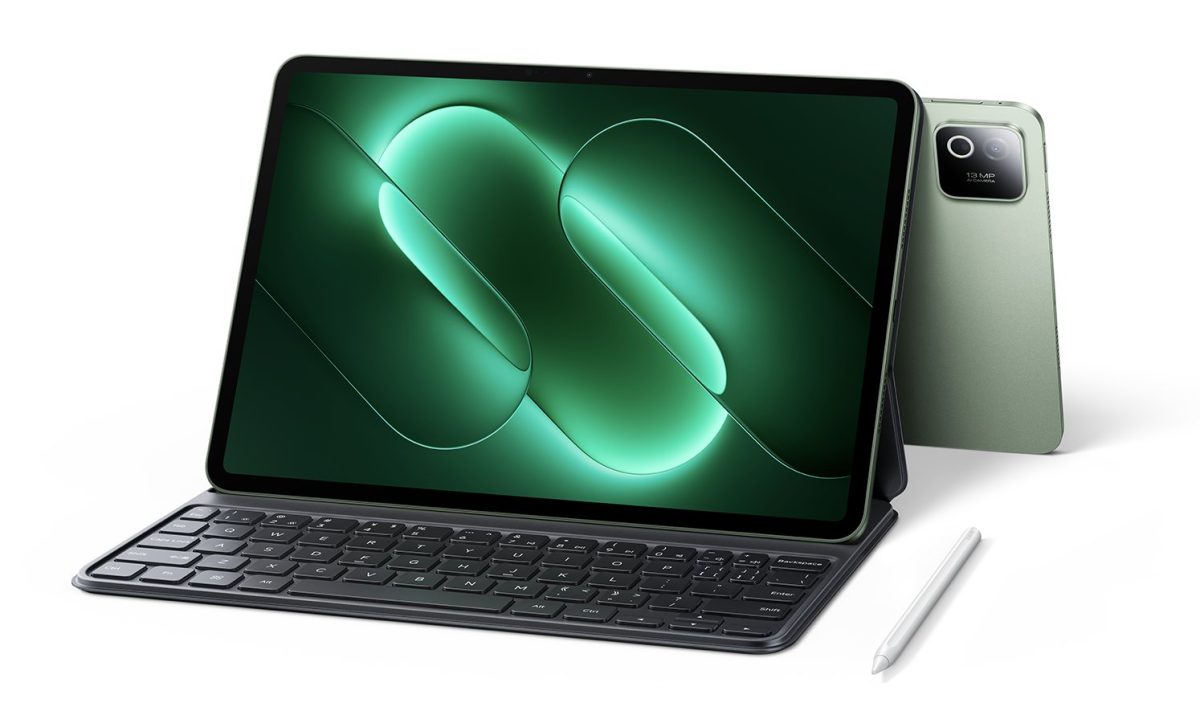

Xiaomi has officially pulled back the curtain on its latest premium tablets, the Pad 9 and Pad 9 Pro, launching first in China. These devices aim to blur the line between a portable entertainment slab and a serious productivity machine. With starting prices at CNY 2,999, the company is clearly swinging for users who want laptop-like utility without the bulk of a traditional notebook.
A Display That Demands Attention
The centerpiece here is a sprawling 12.5-inch panel with a crisp 3.2K resolution. That is roughly 3048 x 2032 pixels, if you are counting, and it refreshes at a buttery 144Hz. Whether you are scrolling through dense code or watching a high-bitrate video, the screen promises smoothness and sharpness that rivals dedicated monitors.
Peak brightness hits 500 nits, which is decent but not class-leading. Indoors, though, the tablet shines thanks to its 3:2 aspect ratio. That taller-than-wide shape feels far more natural for reading documents or juggling multiple windows than the skinny 16:9 slates of yesteryear. In short, it is a canvas built for multitasking, not just Netflix binges.
Snapdragon Power Under the Hood
Xiaomi has not skimped on silicon. The standard Pad 9 runs on the Snapdragon 7+ Gen 2, a chip that punches well above its weight class. The Pro variant steps up to the Snapdragon 8 Gen 2, which is still a flagship-grade processor in 2024. Both platforms deliver plenty of headroom for Android’s increasingly desktop-like app roster.
Memory configurations vary: you can pair either tablet with 8GB, 12GB, or even 16GB of RAM. Storage options stretch from 128GB up to 512GB, though there is no microSD slot here. That omission might sting for media hoarders, but cloud storage and USB-C drives are viable workarounds. For developers compiling code or artists pushing layers, the higher trims are clearly the smarter buy.
Battery Life That Keeps Going and Going
The headline battery figure is 11,000mAh, a capacity that would make most ultrabooks jealous. Xiaomi claims the Pad 9 Pro can last through a full workday of mixed use, and even the standard model packs a generous 8,840mAh cell. Charging speeds top out at 67W wired, which refills the tank in roughly an hour. That is not the fastest in the industry, but it is plenty quick for a device this size.
What does 11,000mAh actually mean in practice? Think of it this way: you could stream a ten-hour flight’s worth of movies and still have juice for a taxi ride home. Or you could run a split-screen session with a code editor and a browser for most of the day without hunting for an outlet. Battery anxiety becomes a distant memory, at least until the next heavy 3D game session.
HyperOS and Desktop-Level Multitasking
Software is where the Pad 9 series tries to differentiate itself. Xiaomi’s new HyperOS replaces MIUI and brings a more coherent cross-device ecosystem. You get a dock, floating windows, and the ability to connect a keyboard and stylus for a pseudo-desktop experience. It is not Windows or macOS, but for light productivity, it gets the job done.
The multitasking interface supports up to four apps open simultaneously in split-screen or windowed modes. That is a far cry from the iPad’s Stage Manager, but it is a step in the right direction for Android tablets. Developers will appreciate the improved keyboard shortcuts and trackpad gestures, even if some apps still feel like stretched phone UIs. The gap is closing, albeit slowly.
Pricing, Availability, and the Competition
At CNY 2,999 (roughly $415) for the base Pad 9, Xiaomi is undercutting Samsung’s Galaxy Tab S9 FE and Apple’s iPad Air. The Pro model starts at CNY 3,299, which is still aggressive given the Snapdragon 8 Gen 2. Global availability has not been confirmed, but previous Xiaomi tablets eventually reached Europe and Southeast Asia. If you are in the market for a big-screen Android slate, patience might pay off.
Of course, the elephant in the room is software updates. Xiaomi promises three major Android versions and four years of security patches, which lags behind Samsung’s four-generation pledge. That might not matter to tinkerers who flash custom ROMs, but it matters to businesses and long-term users. Still, for the price, the trade-off is easier to swallow.
What This Means for the Tablet Market
Xiaomi is not trying to beat the iPad Pro at its own game. Instead, it is offering a credible alternative for Android loyalists who want a big screen without a big price tag. The Pad 9 series competes on value: more pixels, more battery, more RAM per dollar than almost anyone else. That strategy has worked wonders for Xiaomi phones, and there is no reason it cannot work here.
The real question is whether Android apps will finally rise to meet this hardware. A 144Hz 3.2K display is wasted if your favorite app is a stretched-out phone interface. Google is slowly pushing developers toward adaptive layouts, but progress feels glacial. Until that changes, tablets like the Pad 9 Pro will always feel like they are waiting for software to catch up.
Looking ahead, the success of this lineup could hinge on one thing: whether Xiaomi can build a credible keyboard and stylus ecosystem. The hardware is there, the price is right, and HyperOS provides a decent foundation. If accessory quality and app support keep improving, the Pad 9 series might just convince a few laptop owners to leave their chargers at home.